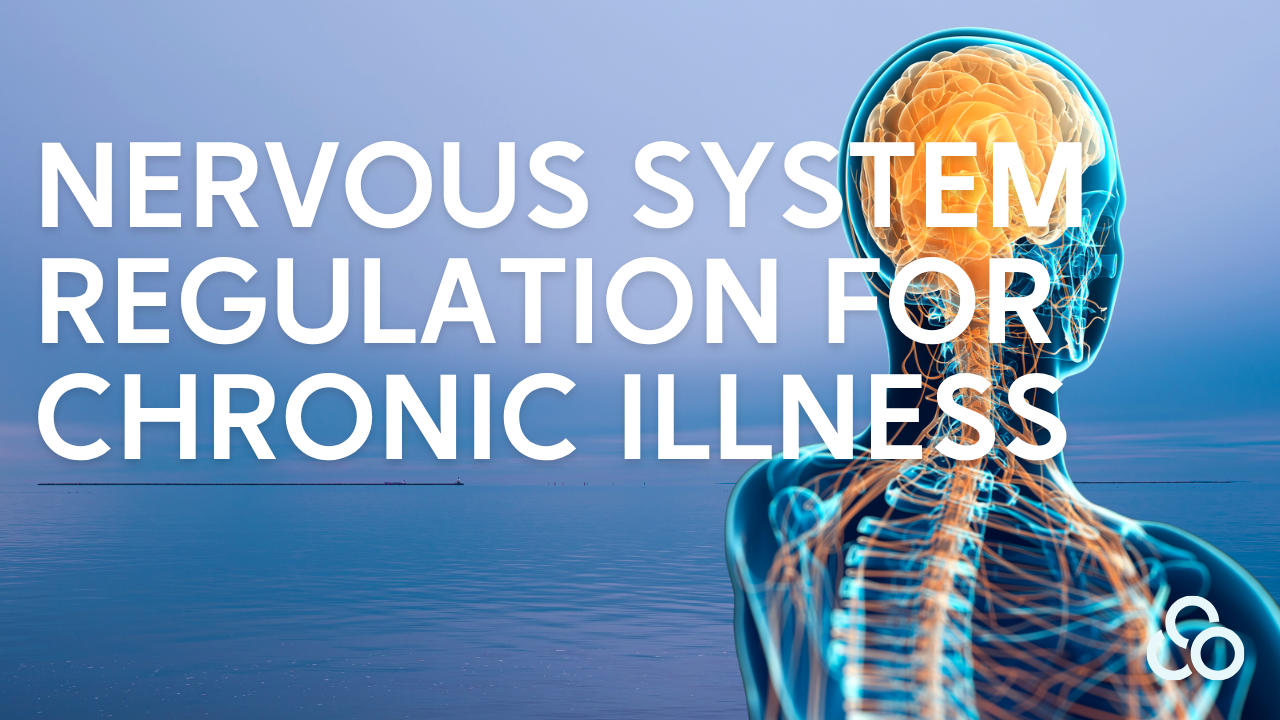
The nervous system plays an important role in chronic illness recovery. For many people living with Lyme disease, Long Covid, chronic fatigue, or other persistent health conditions, the journey can feel endless.
You try one treatment after another. Some help for a while. Others don’t. You experience moments of hope, only to find yourself facing another setback. Over time, it’s easy to begin wondering whether your body will ever truly recover.
For re-origin Founder Mo Pritzker, that journey lasted years.
As a successful entrepreneur, Mo was used to pushing through challenges. But after developing Lyme disease, everything changed. She experienced debilitating fatigue, struggled to function, and found herself navigating an overwhelming maze of doctors, treatments, supplements, and alternative therapies. While many of these approaches helped to some degree, she never felt completely well. Then, after a relapse, her symptoms became even more complex, expanding into food sensitivities, chemical sensitivities, and a nervous system that seemed unable to switch off.
The turning point came when she discovered neuroplasticity, not as another treatment to add to the list, but as a different way of understanding why her body remained stuck.
When the Nervous System Gets Stuck in Survival Mode
Our nervous system is designed to protect us.
When we face danger, it activates a stress response to help us survive. Normally, once the threat has passed, the body returns to a balanced, regulated state.
However, after prolonged illness, significant stress, trauma, or other major life events, that system doesn’t always reset as it should.
Instead, the brain can become increasingly vigilant, interpreting more and more situations as potential threats. This ongoing state of protection can influence how the body functions, affecting sleep, digestion, energy levels, pain sensitivity, immune function, and emotional wellbeing.
For many people with chronic illness, this doesn’t mean the symptoms are “all in their head.” Rather, it highlights the important role the brain and nervous system play in regulating the body’s healing processes.
What Is Neuroplasticity?
Neuroplasticity is the brain’s remarkable ability to adapt and change throughout life.
Every thought, behaviour, and experience strengthens certain neural pathways while weakening others. Just as the brain can learn new skills, it can also learn new patterns of safety, regulation, and resilience.
At re-origin, neuroplasticity techniques are used to help interrupt unhelpful stress patterns and gradually guide the nervous system back towards regulation.
This isn’t about pretending symptoms don’t exist or forcing positive thinking. It’s about consistently teaching the brain that it no longer needs to remain in a constant state of threat.
Over time, many people notice improvements not only in their physical symptoms, but also in their sense of calm, confidence, and overall quality of life.
Healing Rarely Happens in a Straight Line
One of the biggest misconceptions about recovery is that progress should be linear.
In reality, healing often involves ups and downs.
Mo describes experiencing days where she questioned whether the process was working at all. Yet by continuing with the practices consistently, she gradually noticed meaningful changes.
Simple daily activities became easier.
Foods that once triggered symptoms became manageable again.
Her energy slowly returned.
Rather than looking for overnight transformation, neuroplasticity focuses on creating small, sustainable changes that accumulate over time.
Every person’s journey is different, but consistency often matters far more than perfection.
Changing the Conversation Around Chronic Illness
One of the most challenging aspects of chronic illness is the stories we begin telling ourselves.
“I’ll never get better.”
“My body is broken.”
“This is just who I am now.”
While these thoughts are completely understandable, they can also reinforce the brain’s perception that danger is ongoing.
Part of nervous system regulation involves becoming aware of these automatic thought patterns and gradually replacing them with more supportive, realistic perspectives.
This isn’t about ignoring difficult emotions or denying reality. It’s about helping the brain recognise that healing remains possible.
Why Community Matters
Recovery can also be incredibly isolating.
Many people living with chronic illness feel misunderstood by friends, family, or even healthcare professionals.
That’s why community plays such an important role at re-origin.
Members aren’t simply working through techniques on their own. They have access to coaches who have personally experienced recovery through neuroplasticity, as well as a supportive community of people who understand what they’re going through.
Having encouragement, accountability, and shared hope can make a meaningful difference during the recovery journey.
Recovery Looks Different for Everyone
There is no single path that works for everyone.
Some people benefit from medical treatment, nutritional support, lifestyle changes, nervous system regulation, or a combination of many different approaches.
At re-origin, we believe neuroplasticity offers another valuable piece of the recovery puzzle, helping people move beyond simply managing symptoms towards creating the conditions where the nervous system can become more regulated and resilient.
Thousands of people have used these principles to support their recovery journeys, each in their own unique way.
Learn More
Mo recently joined The Dr. Karlfeldt Show to share her personal recovery story and discuss the role nervous system regulation and neuroplasticity can play in healing from chronic illness.
If you’d like to hear the full conversation, you can watch the episode here:
If you’re curious about how neuroplasticity may support your own recovery, explore the re-origin program and learn more about our approach to nervous system regulation.