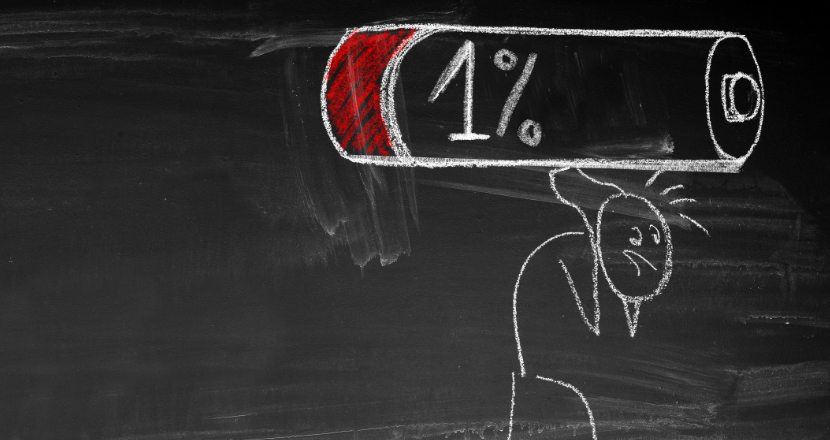
If you’ve been asking yourself, “Am I burnt out?” or searching for a quick way to reflect, this free burnout test can help. Burnout isn’t just everyday stress. It’s a state of physical, emotional, and mental exhaustion that builds when you’ve been running on empty for too long.
re-origin is a science-backed brain retraining program that helps people break out of the cycle of stress, burnout, and chronic conditions. By taking this burnout test online, you’ll learn more about what you are experiencing and learn more about brain retraining as an effective approach to burnout recovery and burnout prevention.
Take the Burnout Test
Please note: This self-assessment is not intended to establish a physician-patient relationship, to replace the services of a trained physician or health care professional, or to otherwise be a substitute for professional medical advice, diagnosis, or treatment. The aim of this self-assessment is to provide education about the condition. By filling out this self-assessment and clicking “Submit,” you acknowledge that you’ve read and agree with this statement and agree to re-origin’s Terms & Conditions.
Am I Burnt Out?
We’ll explore the common burnout symptoms and stages of burnout in this section. It will help you, alongside the burnout symptoms test above, reflect on what you might be experiencing and decide on your next steps.
Please note that the information provided here is educational and not intended as a substitute for medical advice. Always consult with a qualified healthcare professional if you’re concerned about your health or symptoms.
First Signs of Burnout
A recent study found that 17.5% of adults in Sweden meet the criteria for burnout.1 If you’ve been feeling exhausted, overwhelmed, or disconnected, wondering, “Am I burnt out?” you’re not alone. Many others are facing the same struggles. By recognizing the first signs of burnout early, you can take proactive steps to restore balance and keep burnout symptoms from progressing.
Mental Burnout Symptoms
Burnout takes a toll on your mindset and emotional health. These mental burnout symptoms often show up before physical ones:
- Depersonalization (cynicism or detachment)
- Reduced sense of accomplishment
- Anxiety or a sense of dread
- Irritability or a shorter fuse with others
- Difficulty focusing or making decisions2
Anxiety and depression show high comorbidity with burnout. Click the links below to complete the related self-assessments:
Physical Burnout Symptoms
For many people, it’s difficult to accept that psychological stress can take a physical toll. Yet burnout often manifests in the body—as many as 132 symptoms have been reported1—and its symptoms are easy to dismiss as “just normal.”
Common physical burnout symptoms are:
- Feeling tired/low energy
- Frequent headaches or stomach pain
- Trouble sleeping (insomnia or oversleeping)
- Muscle tension or pain (stomach pain, headaches, dizziness)
- Lowered immunity and more frequent illnesses1
Taking the burnout test on this page can help you reflect on the presence of burnout symptoms.
Causes of Burnout
Burnout can happen at work, at home, or in other areas of life where demands outweigh your ability to recover. Understanding what leads to burnout is the first step toward change, and tools like the burnout test free on this page can help you reflect on your situation. Identifying your triggers enables you to break the cycle with effective coping strategies, covered in the following section.
The most common causes of burnout are listed below.
- Working too much
- Lack of control, recognition, or reward
- Prolonged tension or conflict
- Perfectionism
- Not setting boundaries
- Lack of social support
- Lack of assertiveness
- Uncertainty about the future
- Illness
- Caregiving3
Burnout Coping Strategies
If you’ve taken the burnout test above and recognize mild to severe symptoms, these burnout coping strategies can help you move forward. Burnout isn’t solved by pushing through or with just rest—it requires active steps to restore balance and energy.
Coping strategies include:
- Setting clear boundaries between work and personal time
- Prioritizing rest and consistent sleep
- Practicing mindfulness or brain retraining exercises
- Delegating or reducing workload where possible
- Building supportive connections with friends, family, or colleagues
- Engaging in regular physical activity
- Taking short breaks during the day to reset focus
- Seeking professional guidance when symptoms persist3
Three R’s for Dealing with Burnout
One simple framework recommended by psychologists for managing burnout is the Three R’s:
- Recognition: Acknowledge the warning signs and symptoms of burnout instead of ignoring them.
- Reversal: Take steps to reduce stress and support recovery, such as adjusting workload, setting boundaries, or practicing relaxation techniques.
- Resilience: Build long-term habits that strengthen your ability to handle stress, like brain retraining, regular exercise, social support, and consistent rest.4
Brain Retraining: A Long-Term Approach To Burnout Recovery
The burnout coping strategies will provide relief, but sustainable recovery requires addressing the root causes and learning to regulate stress responses over time. This is where brain retraining can help.
When burnout takes hold, the nervous system often stays stuck in “survival mode.” Stress hormones remain elevated, sleep suffers, and even small tasks feel overwhelming. Traditional coping strategies for burnout may provide temporary relief, but brain retraining addresses the problem at its root, improving how your brain and body respond to ongoing stress.
Brain retraining works by using neuroplasticity, the brain’s ability to change and form new patterns. In re-origin’s self-paced brain retraining program, you can learn techniques and guided exercises to shift your nervous system out of fight-or-flight and teach it to return to a calmer, more balanced state. Over time, this new response becomes the default, helping to break the cycle of burnout.
With practice, you can:
- Reduce the body’s chronic stress response
- Restore energy and focus
- Improve sleep and mood
- Develop lasting skills to prevent burnout
Unlike quick fixes, brain retraining offers a sustainable approach to coping with burnout, helping you not only recover but also develop a stronger foundation against future stressors.
Learn more about re-origin’s brain retraining program here.
Conclusion
Burnout affects both mind and body, but it doesn’t have to define your daily life. By taking this burnout test, you now recognize where you stand and bring awareness to symptoms you might otherwise overlook. And now that you understand the signs, causes, and symptoms, you can take meaningful steps toward prevention and recovery.
While coping strategies like setting boundaries and practicing self-care play an important role, brain retraining offers a deeper, more sustainable solution for burnout recovery. By teaching your nervous system to respond differently to stress, you can restore balance, rebuild resilience, and prevent burnout from taking hold again.
Ready to move beyond burnout? The re-origin program gives you simple, science-backed tools to retrain your brain and reset your nervous system. In just a few minutes a day, you can reduce stress, restore energy, and build lasting resilience. Learn more about the re-origin program.