Introduction: Redefining the Meaning of Biohacking
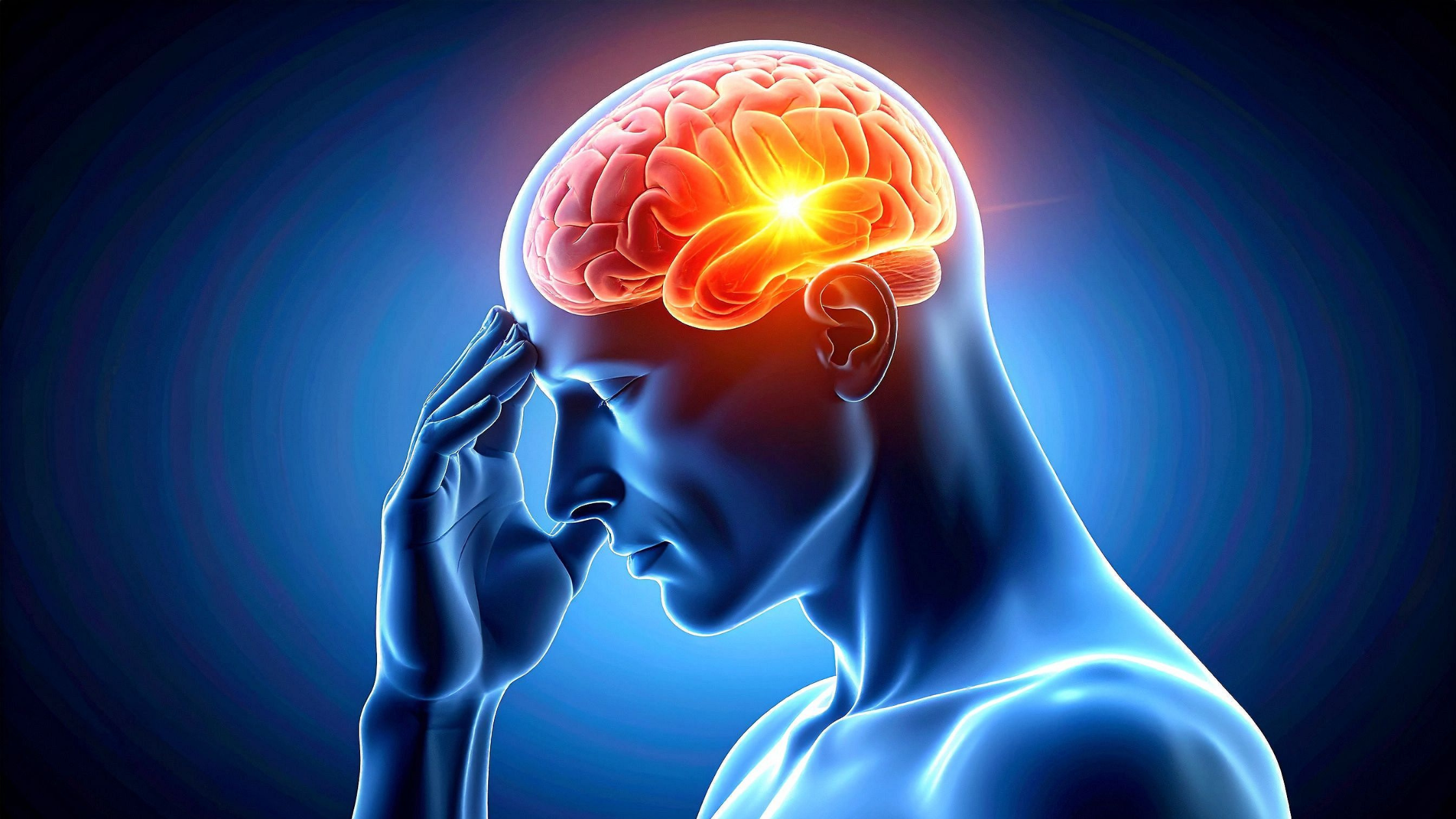
In a world where more people are navigating chronic stress, emotional overwhelm, and conditions such as chronic pain, fibromyalgia, depression, or general anxiety, many are searching for practical and sustainable ways to support their wellbeing. Biohacking, often portrayed as a high‑tech trend, is actually rooted in something far simpler and more meaningful: the brain’s ability to adapt and heal.
This ability, called neuroplasticity, allows the brain to reorganize itself in response to new thoughts, behaviors, and experiences [1]. When approached gently, biohacking becomes a compassionate, accessible framework for supporting emotional and physical health, especially when paired with structured brain retraining like the re-origin program.
What Is Biohacking? The Basics
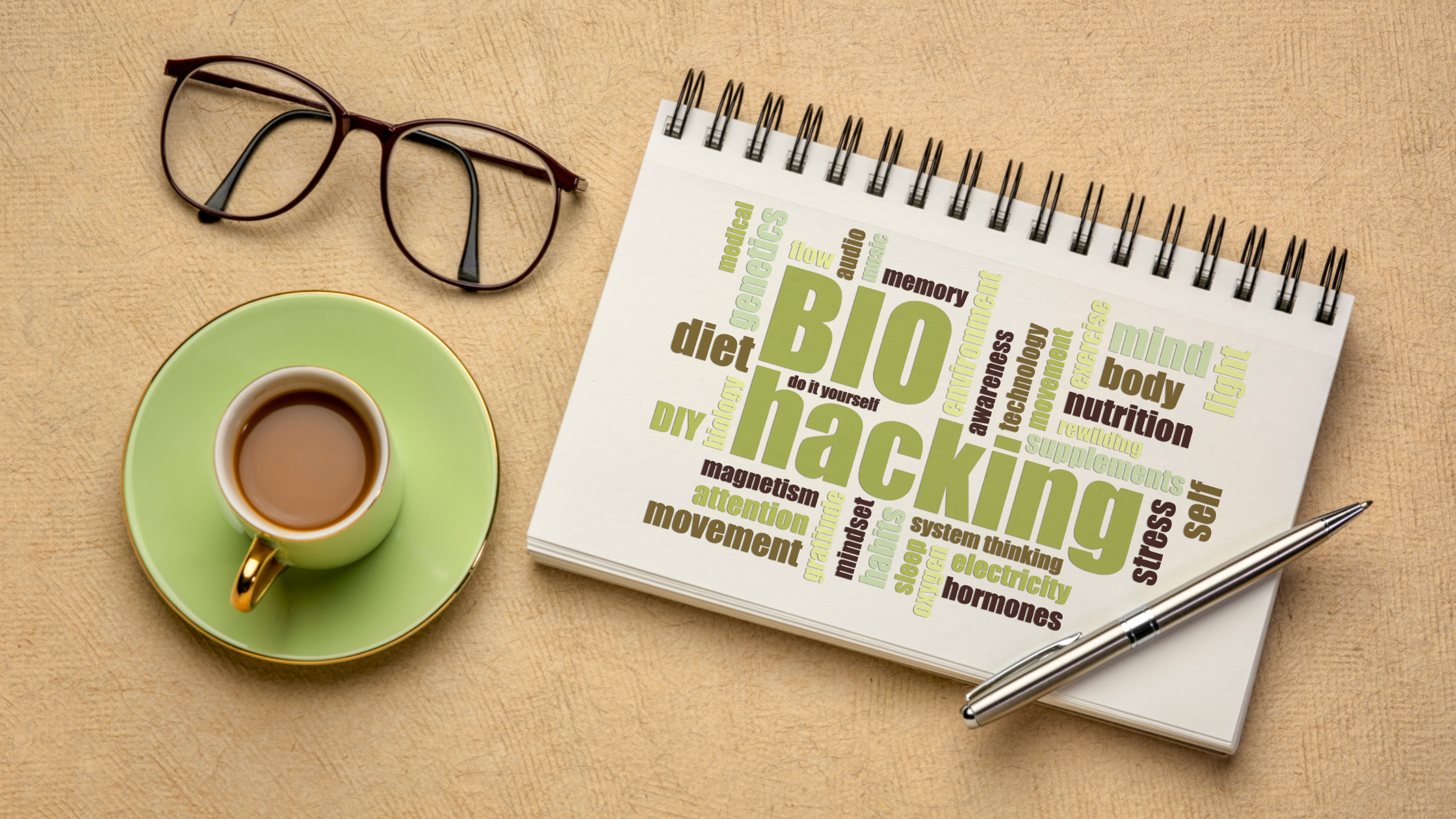
Biohacking (or DIY biology) refers to making intentional, data‑guided changes to habits, routines, or the inner environment to improve how the mind and body function [2]. While social media often highlights extreme tools or expensive gadgets, the most effective biohacking approaches are simple, science‑based, and repeatable.
These include:
- Better sleep routines
- Nutrition optimization
- Breathwork
- Mindfulness
- Brain retraining through neuroplasticity
When practiced consistently, gentle changes help regulate stress pathways, shape emotional patterns, and support long-term resilience [3].
Learn more on how the brain rewires
The Link Between Biohacking and Neuroplasticity
Neuroplasticity describes the brain’s ability to create, strengthen, or weaken neural pathways in response to repeated experience [4]. For people living with chronic fatigue, long‑haul COVID, Lyme disease, or sensory overwhelm, prolonged stress can cause the nervous system to become locked in a protective mode [5]. This can lead to persistent symptoms, even after illness or injury has resolved.
Through neuroplasticity‑aligned biohacking practices like those used in the re-origin program, the brain can learn to shift out of survival mode and back into a state of regulation [6].This creates safety, adaptability, and emotional steadiness.
Explore more on neuroplasticity
Biohacking for Women: Honoring Biological Rhythms
Women experience cyclical hormonal shifts that impact stress levels, cognition, energy, and mood throughout the month. Research shows these rhythms influence how the nervous system processes stress and emotional load [7]. Biohacking for women means working with, rather than against, these natural patterns.
This includes:
- Prioritizing rest during low-energy phases
- Supporting nutrition based on hormonal needs
- Practicing mindful awareness
- Using neuroplasticity techniques for emotional balance [8]
Gentle, Practical Biohacking Tips
These research-backed practices are simple, sustainable, and supportive to the nervous system.
1. Start With Nutrition
Nutrient‑dense foods, especially those rich in antioxidants, omega‑3 fats, and polyphenols, support brain health, mood, and cognitive performance [9]. This helps stabilize energy and improve nervous system balance.
2. Use Technology as a Tool, Not a Rule
Wearables can provide insight into:
- Sleep quality
- Stress patterns
- Heart‑rate variability (HRV)
- Recovery cycles
Use data gently as information, not pressure.
3. Try Mindfulness and Breathwork
Meditation increases gray‑matter density in areas linked to emotional regulation and attention [10].
Breathwork helps regulate the autonomic nervous system and calm overactive stress responses.
Explore additional calming practices and read how re-origin’s brain retraining works
4. Retrain Your Brain
Structured brain retraining like the re-origin program uses neuroplasticity tools to gradually shift emotional patterns, reduce symptoms, and support long-term resilience. It is especially helpful for individuals navigating anxiety, chronic stress, or limbic system dysregulation.
5. Find Supportive Community
Healing doesn’t happen in isolation. Momentum Group Coaching through re-origin offers community, accountability, and weekly support to help maintain these practices.

Using Biohacking to Support Chronic Health Recovery
Individuals managing chronic pain, fibromyalgia, anxiety disorders, or long‑term post‑viral symptoms often experience an overactive stress response [11]. This creates a feedback loop that intensifies symptoms, drains energy, and reduces emotional resilience.
Neuroplasticity‑based biohacking helps gently interrupt these patterns by supporting:
- Improved stress tolerance
- Better cognitive flexibility
- Emotional balance
- Autonomic regulation [12]
Explore chronic health conditions supported by this approach
How the re-origin Program Supports the Biohacking Journey
The re-origin program blends neuroscience, psychology, and community learning to help participants retrain unhelpful neural patterns through repetition, awareness, and nervous system regulation [13].
This approach supports individuals experiencing chronic fatigue, anxiety, depression, fibromyalgia, and persistent symptoms.
Key features include:
- Structured neuroplasticity training
- Somatic workshops
- Weekly coaching
- A supportive peer community
- Self-paced, science-backed modules
Start your neuroplasticity journey here
Conclusion: Biohacking Through Compassion and Science
Biohacking is not about perfection, it’s about creating a compassionate partnership with your brain and body. Through small, consistent, evidence‑based practices including neuroplasticity‑based brain retraining, you can shift from survival patterns into states of stability, clarity, and growth.
Re-origin exists to remind you that your brain is adaptable, your body is capable, and healing is always within reach.