Understanding Depression and Its Impact
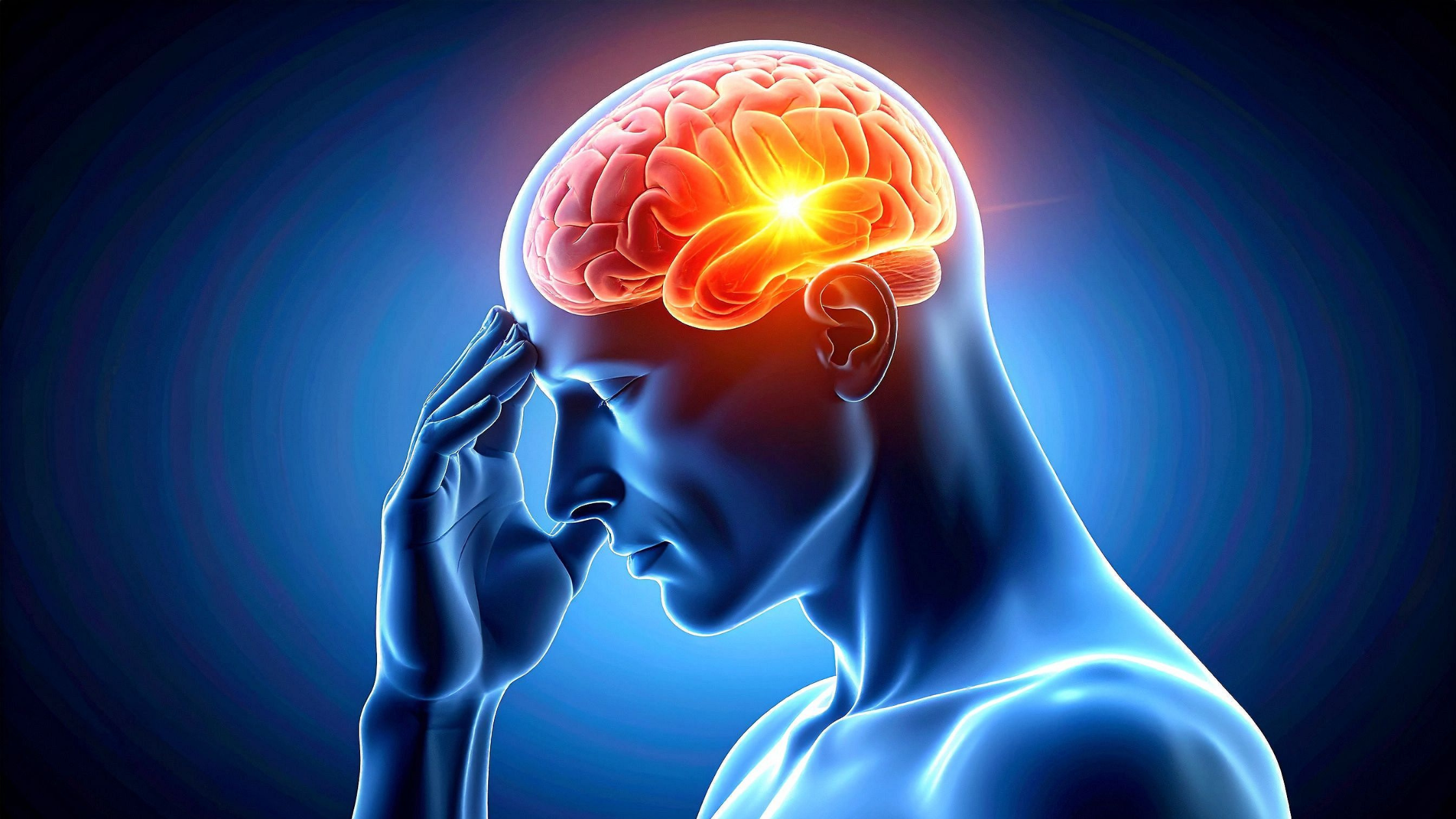
Depression is more than sadness, it is a whole-body condition that affects mood, energy, focus, sleep, and motivation. It can make even simple tasks feel overwhelming, leaving people exhausted and discouraged. Research shows that depression impacts brain circuits responsible for reward, stress regulation, and emotional processing [1]. Understanding the condition and learning healthy coping strategies can help restore balance and resilience.
The Importance of Healthy Coping Skills for Depression
Healthy coping skills help people manage symptoms, rebuild emotional resilience, and interrupt negative thought loops. Studies show that effective coping strategies can improve mood, reduce rumination, and support long-term recovery [2].
Coping skills also help regulate the nervous system, reduce stress hormones, and strengthen healthier brain pathways. By practicing these skills consistently, individuals create emotional stability and re-engage with activities that bring meaning and fulfillment.
Self-Care as a Foundation
Self-care is essential for managing depression and anxiety. Activities such as gentle movement, meditation, nourishing meals, and sleep support the body and calm the mind. Mindfulness and meditation have been shown to reduce symptoms of depression and improve emotional regulation [3].
The re-origin program offers self-directed neuroplasticity tools that complement self-care practices by targeting the maladaptive brain patterns that often fuel depression and chronic stress.
Effective Coping Skills for Depression
Below are research-backed strategies you can begin using today.
1. Mindfulness and Meditation
Mindfulness helps calm the nervous system and bring attention back to the present moment. Meditation reduces stress, improves emotional regulation, and supports long-term mental health [4]. Re-origin’s somatic workshops and neuroplasticity exercises complement mindfulness practices by helping people interrupt chronic worry and emotional overwhelm.
2. Establishing a Routine
A structured daily routine provides predictability and reduces the sense of chaos that often accompanies depression. Regular sleep, mealtimes, and movement help stabilize mood and improve energy. Routine also anchors the nervous system, helping reduce limbic system overactivation.
3. Connecting with Others
Social connection is one of the strongest protectors against depression. Supportive relationships help reduce isolation, improve mood, and foster resilience. Participating in Group Coaching allows individuals to connect with a supportive community and share their healing journey.
4. Creative Outlets
Creative activities such as music, writing, painting, or crafting help process emotions and reduce depressive symptoms. Research shows creativity is associated with improved mood and increased cognitive flexibility [5]. Creative expression also activates brain regions involved in reward and motivation, supporting emotional healing.
5. Physical Activity
Movement releases endorphins and supports brain health, making it a powerful tool for depression. Even gentle activity like walking, yoga, or stretching can improve mood and reduce stress. Combining movement with neuroplasticity training creates a powerful foundation for emotional resilience.
6. Cognitive Behavioral Techniques
CBT-based strategies help challenge negative thought patterns and broaden perspective. This supports a more balanced mindset and reduces emotional reactivity. Re-orienting thoughts is also a key part of brain retraining and plays a role in shifting maladaptive neural pathways.
Integrating Advanced Support Systems
While self-care is helpful, structured support systems can accelerate healing.
The re-origin Brain Retraining Program
The re-origin program provides science-backed neuroplasticity training to help individuals:
- Reduce stress sensitivity
- Calm anxiety loops
- Reframe unhelpful thought patterns
- Improve emotional regulation
- Build long-term resilience
It supports people experiencing depression, anxiety, chronic pain, long-haul COVID, and limbic system dysregulation.
Group Coaching and Community Support
The Group Coaching community helps individuals feel seen, supported, and uplifted. Sharing experiences with others on a similar healing path fosters connection and reduces isolation. Participants receive guidance from coaches and encouragement from peers.
Conclusion: Your Path to Healing
Healing from depression requires compassion, consistency, and the right tools. Coping skills combined with evidence-based neuroplasticity practices can help calm the mind, regulate the nervous system, and restore emotional balance.
Re-origin offers a supportive, science-driven approach to help people retrain chronic stress patterns and reconnect with meaning and wellbeing. You deserve to feel better, and you don’t have to navigate this process alone.