If you are living with anxiety, depression, obsessive thoughts, chronic pain, long COVID, Lyme disease, fibromyalgia, or persistent fatigue, you may have heard of Cognitive Behavioral Therapy, often called CBT.
You might even be wondering:
- What is cognitive behavioral therapy used for?
- Can cognitive behavioral therapy help with anxiety treatment?
- Is cognitive behavioral therapy for OCD effective?
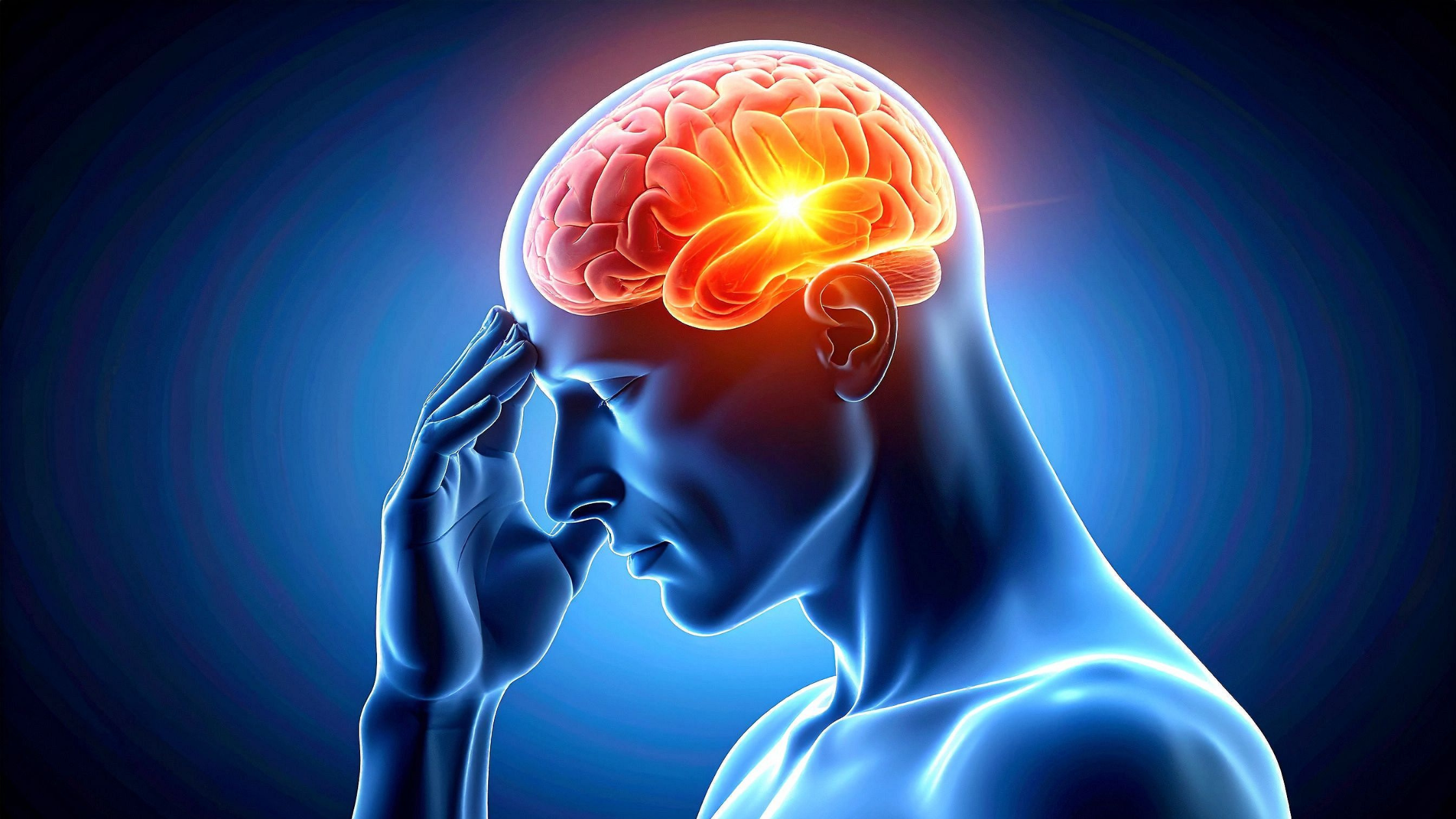
At re‑origin, we believe in demystifying the science behind recovery. CBT is one of several evidence‑informed approaches that highlight something important: your thoughts, behaviors, and nervous system responses are connected and they can change. Neuroplasticity, the brain’s capacity to adapt and reorganize itself, provides the biological foundation for why this is possible [2].
What Is Cognitive Behavioral Therapy?
Cognitive Behavioral Therapy is a structured psychological approach that focuses on identifying and shifting unhelpful thought patterns and behaviors. CBT is problem‑oriented, centered on helping people work through specific challenges in the present rather than exploring the distant past [10].
At its core, CBT recognizes that:
- Thoughts influence emotions
- Emotions influence behaviors
- Behaviors reinforce patterns in the brain
When stress patterns repeat long enough, whether from trauma, chronic illness, prolonged stress, or burnout, conditioned loops can form. CBT offers practical exercises to begin disrupting those loops.
re‑origin’s brain retraining program expands on this foundation using structured neuroplasticity tools to support lasting change.
Why Cognitive Behavioral Therapy Is Widely Used
CBT is often used as an anxiety treatment and has been explored in research for conditions including:
A comprehensive systematic review of CBT‑based interventions found significant improvements in anxiety and depressive symptoms following CBT, though more research is needed to clarify effects on pain intensity itself [1]. Meta‑analyses also show moderate improvements in depression and anxiety among people with chronic illness[9].
The Power of Thought Restructuring
Thought restructuring is one of the core cognitive behavioral therapy exercises.
It involves:
- Identifying automatic negative thoughts
- Questioning their accuracy
- Reframing them into more balanced alternatives
For example:
Instead of “I’ll never get better.”
You might practice shifting toward “My system has been under stress, but the brain can learn new patterns.”
This doesn’t mean forced positivity. It means building cognitive flexibility, a skill supported both by CBT and by research on how the brain reorganizes itself under new patterns of thought and behavior [6].
Behavioral Activation for Depression and Anxiety
Another CBT technique is behavioral activation, which encourages re‑engaging with activities you once found meaningful, even when mood is low. For those navigating depression, chronic anxiety, or burnout, avoiding previously valued activities can inadvertently reinforce negative loops.
By intentionally scheduling small actions, you signal to the nervous system that engagement and safety are possible. This kind of incremental action supports not only mood regulation but also conditioned neural change [2].
Cognitive Behavioral Therapy for OCD
When discussing cognitive behavioral therapy for OCD, a specific approach called exposure and response prevention (ERP) is often highlighted.
ERP involves gradually facing anxiety‑provoking situations while choosing not to perform compulsive behaviors, helping weaken the conditioned association between trigger and fear response.
Although neurobiological evidence on OCD and CBT is still emerging, neuroimaging studies suggest that CBT correlates with changes in brain function and connectivity in regions involved in emotion regulation [6].
The re‑origin brain retraining program integrates structured pattern‑interruption techniques and tools grounded in neuroscience to support regulated responses over time.
Practical Exercises You Can Try
1. Journaling Thought Patterns
Write down recurring thoughts, identify patterns, and note more balanced alternatives — building awareness and disrupting automatic loops.
2. Scheduling Positive Activities
Plan at least one small, meaningful action each day to build momentum, even in the absence of motivation.
3. Relaxation Techniques
Breathing exercises and progressive muscle relaxation can support physiological regulation and reduce stress responses.
4. Guided Visualization
Visualization practices engage specific neural circuits and can help establish new, calmer responses to triggers.
For additional support, Group Coaching offers guided sessions where certified coaches help members integrate these tools effectively and consistently.
Cognitive Behavioral Therapy and Chronic Conditions
Research indicates that CBT contributes to improved coping, self‑efficacy, and emotional regulation among individuals with chronic health challenges. For example:
- CBT‑based approaches showed reduced pain intensity and disability compared to usual care in chronic pain reviews [40].
- Psychological interventions that involve CBT principles were associated with reduced pain catastrophizing and improved self‑efficacy [39].
- CBT may improve functioning and quality of life in adults with chronic pain [3].
Conditions where individuals have explored CBT‑informed strategies include:
While CBT is not a standalone cure, understanding how thought and behavior patterns intersect with symptom perception can empower individuals and support more adaptive neural responses over time.
Integrating CBT Principles with Neuroplasticity
CBT focuses on changing thoughts and behaviors. Neuroplasticity focuses on how repeated experiences shape brain circuits.
Together, they highlight a hopeful truth: the brain can change.
Neuroimaging research suggests CBT modulates activity and connectivity in emotion‑related brain regions, supporting the idea that cognitive and behavioral approaches facilitate functional neural change [11].
Our re‑origin brain retraining program blends these insights into a structured pathway with exercises, visualizations, and community support rooted in neuroscience.
A Hopeful, Science‑Based Path Forward
If you are exploring cognitive behavioral therapy for OCD, using CBT for anxiety, or navigating depression, chronic pain, long COVID, Lyme disease, fibromyalgia, or fatigue know this:
Your brain is not fixed. It has been conditioned under stress and conditioned patterns can be retrained.
Explore how brain retraining supports recovery on our full conditions page.