However, the good news is that effective dysautonomia treatments exist to help manage these symptoms and improve your quality of life. From lifestyle changes and medications to cutting-edge approaches like brain retraining and modern dysautonomia management strategies, there are several ways to regain control over this condition.
At re-origin, we’ve helped thousands of people decrease symptoms of chronic health conditions like depression, anxiety, chronic pain, and dysautonomia. Learn more about the re-origin program here.
What is Dysautonomia?
If you’re looking for a full medical overview of dysautonomia, including causes, symptoms, and diagnostic testing, see our comprehensive dysautonomia guide here.

Causes and Risk Factors of Dysautonomia
Dysautonomia is often associated with underlying stressors or health conditions that affect autonomic signaling, including autoimmune activity, nerve injury, chronic illness, or neurological stress.
Because causes vary widely, treatment is most effective when focused on nervous system regulation rather than a single trigger.
Specific patient populations are more at risk for dysautonomia, including those with pre-existing autoimmune or neurodegenerative diseases. Age is also a factor, as some forms of dysautonomia, such as pure autonomic failure, are more common in older adults.¹
Signs and Symptoms of Dysautonomia
Dysautonomia symptoms can vary from person to person, but many describe cycles of instability—where blood pressure, heart rate, digestion, temperature regulation, and energy levels shift unpredictably throughout the day.
What a Dysautonomia Flare Feels Like
During a flare, autonomic symptoms often escalate rapidly, making even simple activities feel overwhelming. Many people experience a sudden loss of tolerance to standing, movement, heat, or mental exertion.
How Do I Take Care of Myself if I Have Dysautonomia?
Self-care plays a critical role in managing dysautonomia. Many people benefit from consistent hydration, gradual physical conditioning, and pacing strategies that prevent nervous system overload.
Top 5 Dysautonomia Treatments
1. Lifestyle Changes
Lifestyle modifications can help reduce dysautonomia symptoms. These include increasing salt intake to boost blood volume, maintaining hydration, wearing compression garments to improve blood flow, and sleeping with the head elevated to prevent orthostatic hypotension.² Patients are also advised to avoid standing for long periods and to monitor their vital signs regularly.
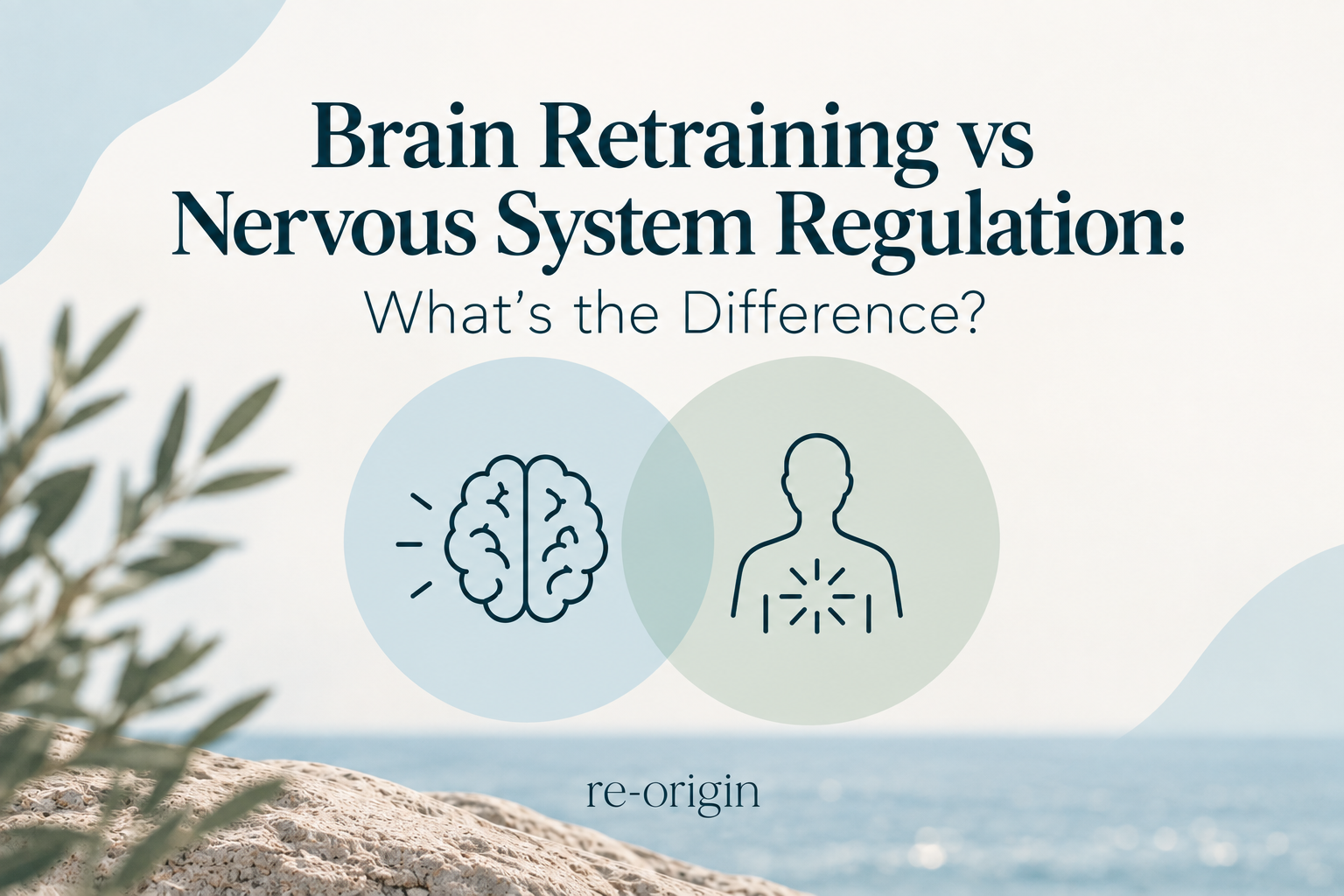
2. Brain Retraining Programs
Brain retraining approaches focus on calming an overactive stress response and improving autonomic stability, helping some individuals experience fewer flares and improved resilience to triggers over time.
3. Physical Therapy and Exercise
Gradual, supervised physical therapy can help improve orthostatic tolerance and reduce the frequency of fainting spells associated with conditions like neurocardiogenic syncope. Strengthening exercises can help build endurance and improve circulation, making it easier for the autonomic nervous system to function properly.3
4. Medications
Several medications can be used to treat the many symptoms of dysautonomia. Drugs like midodrine and fludrocortisone help raise blood pressure and maintain blood volume for patients with orthostatic intolerances. Beta-blockers are often prescribed to regulate heart rate in conditions such as POTS. Ivabradine may also be prescribed for patients with inappropriate sinus tachycardia¹.
5. Tilt Table Testing and Diagnosis
A tilt table test is an essential tool for treating dysautonomia itself. It helps diagnose orthostatic tachycardia syndrome (POTS), neurogenic orthostatic hypotension, and other autonomic disorders. By understanding the specific form of dysautonomia, doctors can tailor treatment approaches for individual patients, leading to more effective management.¹
Understanding Postural Orthostatic Tachycardia Syndrome (POTS)
Postural Orthostatic Tachycardia Syndrome (POTS) is one of the most severe cases and common forms of dysautonomia. It is characterized by the body’s inability to regulate blood pressure and heart rate properly when standing. People with POTS experience a significant increase in heart rate upon standing, often leading to symptoms like dizziness, lightheadedness, fainting, chest pain, and extreme fatigue. POTS can be especially challenging because it impacts daily activities and quality of life, particularly in women during adolescence or early adulthood.
Managing POTS
Managing POTS often involves strategies similar to those used for other forms of dysautonomia, such as the five key treatments outlined earlier in this post. By incorporating these treatments, most patients with POTS can experience improved symptom control and better overall quality of life. For more detailed information on managing POTS, read our full article here.
There is Hope for Managing Dysautonomia
While dysautonomia can be a challenging and complex condition to manage, it is essential to remember that many patients see significant improvements in their quality of life with the right combination of treatments. From lifestyle changes and medications to innovative therapies like brain retraining, there are numerous ways to manage symptoms and regain control. Although dysautonomia currently has no cure, ongoing research and advancements in treatment continue to provide hope.
By working closely with healthcare professionals and staying proactive in your self-care, you can navigate life with dysautonomia and live a fulfilling, empowered life. Keep in mind that many patients experience gradual improvement with time, which is a reason to remain hopeful for the future.
At re-origin, we’ve helped thousands of people decrease symptoms of chronic health conditions using the power of neuroplasticity. Learn more about the re-origin program here.